Boiler Maintenance Checklist: What Michigan Homeowners Should Do Before Winter
Boiler maintenance should ideally be completed before the heating season begins. For Michigan homeowners, late summer or early fall is a smart time to have the system inspected, tested, and serviced before cold weather puts it under heavy demand.
ENERGY STAR recommends an annual pre-season heating-system checkup, noting that contractors become busier once winter arrives. (ENERGY STAR)
At 911 Mechanical, we recommend combining simple homeowner checks with professional boiler service and maintenance so potential problems can be identified before they turn into a no-heat call during a Michigan cold snap.
Why Does Boiler Maintenance Matter Before Winter?
Unlike a forced-air furnace, a boiler heats water and circulates that heat through radiators, baseboards, or radiant systems.
That means reliable operation depends on several components working together, including:
- The boiler itself
- Burner or heating components
- Pumps and circulators
- Expansion tank
- Controls and thermostats
- Pipes and valves
- Radiators or radiant zones
- Venting and safety controls
Routine maintenance helps identify wear, leaks, unusual operating conditions, and other issues before the boiler is asked to run continuously during colder weather.
911 Mechanical provides maintenance and repair services for heating systems throughout Metro Detroit, and its technicians are trained in radiant and hydronic systems as well as standard HVAC equipment. (911 Mechanical Heating-Cooling-Plumbing)
Pre-Winter Boiler Maintenance Checklist
There are several things homeowners can safely check before scheduling professional service.
1. Turn the Heat On Before the First Cold Night
Do not wait until temperatures drop below freezing to discover your boiler is not operating correctly.
Turn the thermostat up enough to call for heat and make sure:
- The boiler starts normally
- Radiators or heating zones begin warming
- The thermostat responds correctly
- No unusual noises appear
Testing the system early gives you time to schedule boiler service before peak heating demand.
2. Check for Visible Water Leaks
Look around the boiler and accessible piping for signs of:
- Water on the floor
- Damp connections
- Corrosion
- Rust
- Mineral deposits
- Dripping valves
Even a small leak deserves attention.
Boiler systems operate with water under controlled temperature and pressure, so a recurring leak should be diagnosed rather than simply wiped up.
Avoid opening or adjusting valves or pressure controls unless your equipment manufacturer specifically instructs you to do so.
3. Listen for New or Unusual Noises
Boilers are not completely silent, but a change in sound can indicate that something deserves attention.
Listen for:
- Banging
- Gurgling
- Whistling
- Grinding
- Repeated clicking
- Unusual pump noise
Some noises may relate to trapped air, circulation issues, mineral buildup, pumps, or other system components.
A technician can determine whether the sound is normal or requires repair.
4. Check Radiators and Heating Zones
Walk through the home while the system is operating.
Ask:
- Are all rooms heating?
- Are some radiators cold?
- Is one heating zone noticeably cooler?
- Are there major temperature differences between rooms?
Uneven heating does not automatically mean the boiler itself is failing.
Problems can also involve controls, valves, circulators, trapped air, system balancing, or the distribution system.
5. Keep the Boiler Area Clear
Do not use the area around heating equipment as crowded storage space.
Keep combustible materials and household clutter away from the boiler and its venting.
You should also make sure technicians have enough room to access the equipment for annual boiler maintenance services.
6. Check the Thermostat
Make sure the thermostat:
- Is set to heating mode
- Responds when you change the temperature
- Shows the correct temperature
- Is not producing obvious error messages
ENERGY STAR includes checking thermostat settings as part of a typical professional heating-system maintenance visit. (ENERGY STAR)
Sometimes what appears to be a boiler problem begins with the controls rather than the boiler itself.
What Should a Professional Boiler Tune-Up Include?
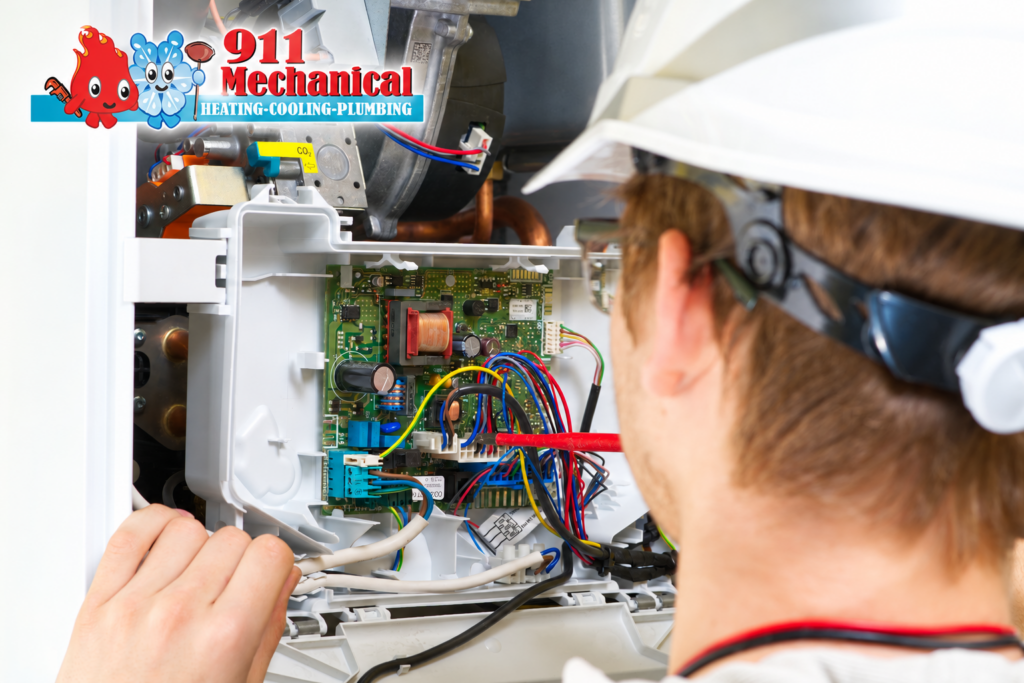
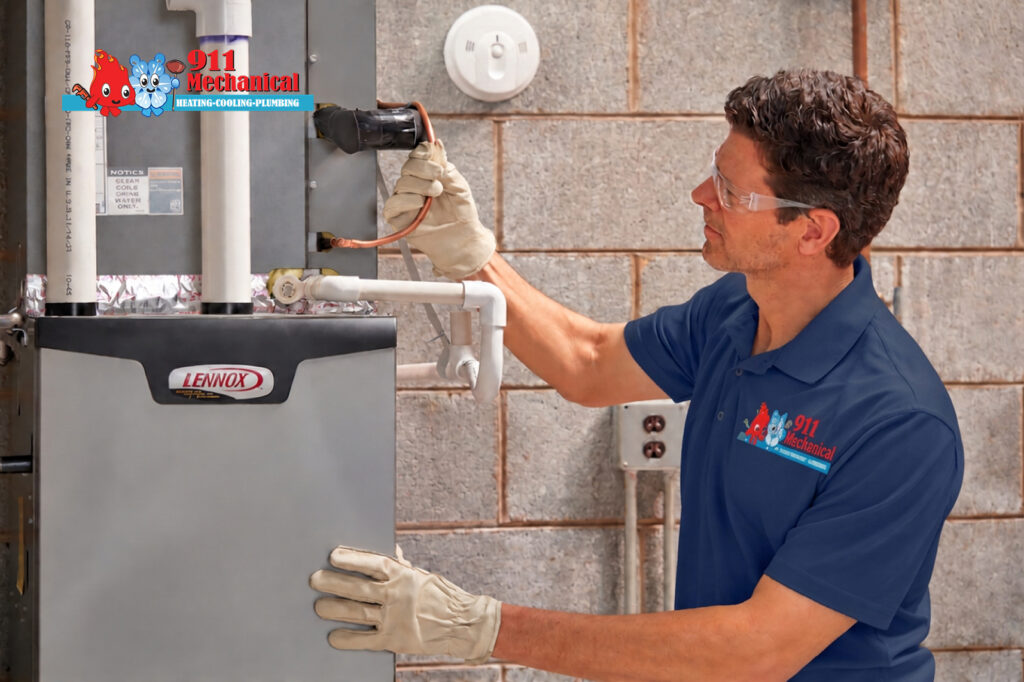
Homeowner inspections are useful, but they do not replace professional boiler system maintenance.
The exact checklist depends on the boiler type and manufacturer, but a technician may evaluate areas such as:
- Boiler operation and heating cycle
- Burner or combustion performance, where applicable
- Safety controls
- Venting and exhaust
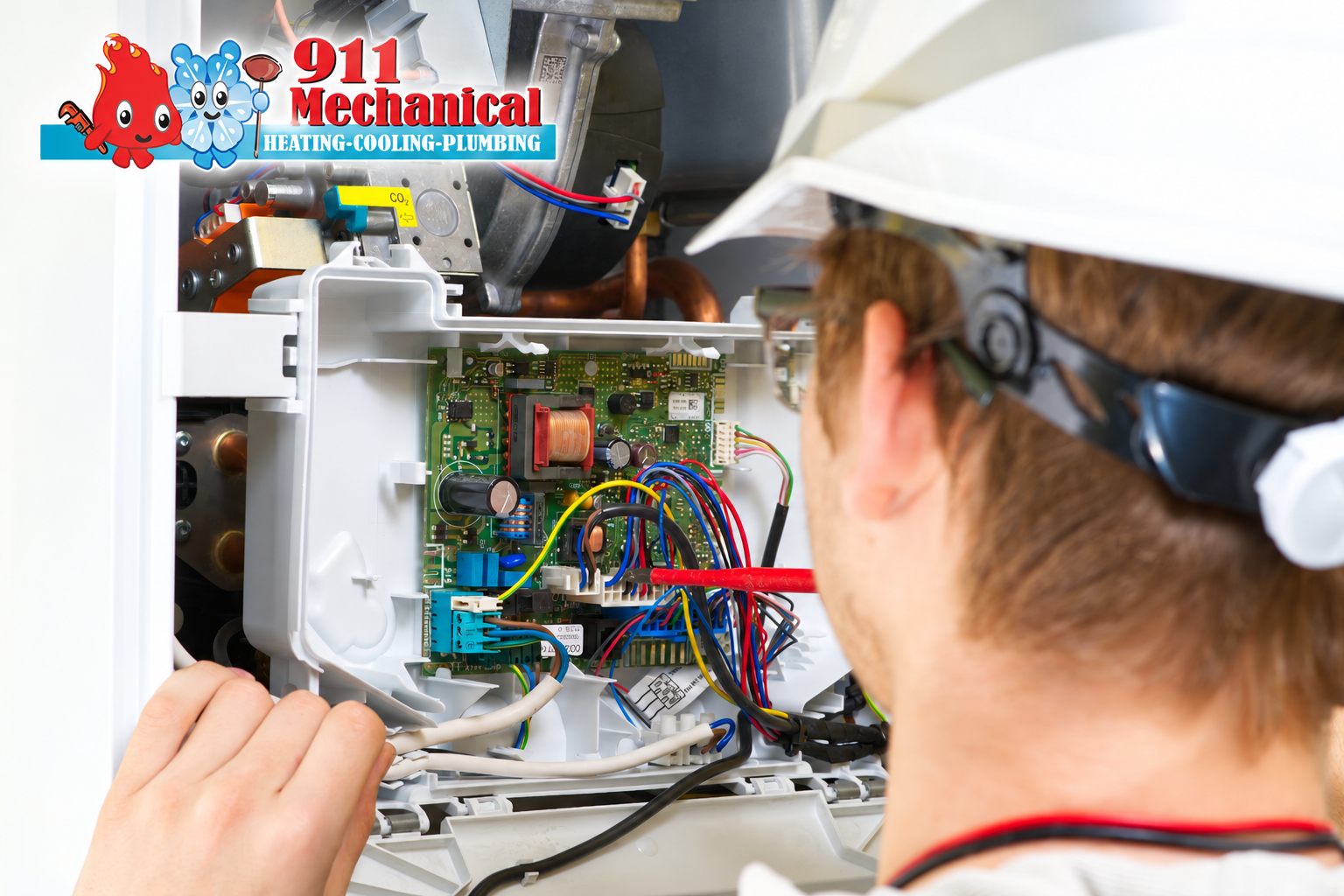
- Electrical connections
- Water pressure and temperature
- Circulator pumps
- Expansion tank
- Zone controls
- Accessible piping and valves
- Signs of leaks or corrosion
- Thermostat operation
- Overall system performance
Cleaning and adjustments should be performed according to the boiler manufacturer’s requirements and the actual condition of the system.
ENERGY STAR recommends annual professional heating-system maintenance and notes that maintenance can help keep heating equipment operating properly and identify problems before they become larger failures. (ENERGY STAR)
What Should Homeowners Not Do Themselves?
Some boiler maintenance tasks should be left to a trained technician.
Homeowners generally should not:
- Disassemble burners
- Adjust combustion settings
- Modify gas piping
- Alter safety controls
- Change pressure settings without manufacturer guidance
- Disassemble venting
- Attempt repairs involving gas or electrical components
If you smell gas, see smoke, experience a carbon-monoxide alarm, or believe the system may be operating unsafely, stop using the equipment and follow the appropriate emergency procedures.
DIY maintenance should focus on observation and basic housekeeping, not internal boiler repair.
When Does a Boiler Need Service Instead of Routine Maintenance?
Schedule professional boiler service if you notice:
- No heat
- Repeated shutdowns
- Water leaks
- Unusual noises
- Major pressure changes
- Uneven heating
- Rising heating costs without an obvious explanation
- Error codes
- Frequent need to reset the system
- Visible corrosion or deterioration
ENERGY STAR also suggests considering replacement when a boiler is more than 15 years old, particularly when repairs are becoming frequent or energy costs are increasing. (ENERGY STAR)
That does not mean every 15-year-old boiler needs replacement. Age is one factor alongside condition, repair history, efficiency, and performance.
How Often Should a Boiler Be Maintained?
For most residential heating systems, annual professional maintenance before heating season is a good baseline.
For Michigan, that usually means scheduling service in late summer or fall, before the boiler begins operating heavily.
ENERGY STAR specifically recommends annual pre-season heating checkups and advises scheduling them before contractors become busiest during winter. (ENERGY STAR)
If your boiler has recurring problems, is older, or operates under unusual conditions, your technician or manufacturer may recommend additional attention.
Boiler Maintenance FAQs
1- How often should a boiler be serviced?
A professional heating-system inspection and maintenance visit is generally recommended annually, ideally before the heating season begins.
2- What is included in a boiler tune-up?
The exact service depends on the boiler, but professional maintenance may include inspection of operation, safety controls, pumps, electrical components, venting, pressure, thermostat controls, leaks, and overall system performance.
3- How much does annual boiler maintenance cost?
Annual boiler maintenance cost varies based on the boiler type, system condition, service scope, and whether repairs are required. Rather than publishing a generic price that may not apply to your system, 911 Mechanical can provide pricing based on the service your boiler needs.
4- Why is my boiler heating some rooms but not others?
Possible causes include circulation problems, zone-control issues, valves, trapped air, balancing problems, or other hydronic-system issues. A professional inspection can help identify the actual cause.
5- When should I replace my boiler instead of repairing it?
Replacement may be worth discussing when the boiler is older, repairs are becoming frequent, heating performance has declined, or operating costs are rising. ENERGY STAR identifies boilers over 15 years old as candidates for replacement consideration—not an automatic replacement rule. (ENERGY STAR)
Get Your Boiler Ready for a Michigan Winter
The best time to find a heating problem is before you actually need the heat.
A pre-winter boiler maintenance visit can help identify potential issues, confirm that the system is operating properly, and give you time to address repairs before Metro Detroit temperatures fall.
At 911 Mechanical, our team provides professional heating maintenance and support for homeowners throughout Metro Detroit, including experience with hydronic and radiant heating systems. (911 Mechanical Heating-Cooling-Plumbing)
Call 911 Mechanical at 586-247-7300 to schedule boiler service or request an estimate.