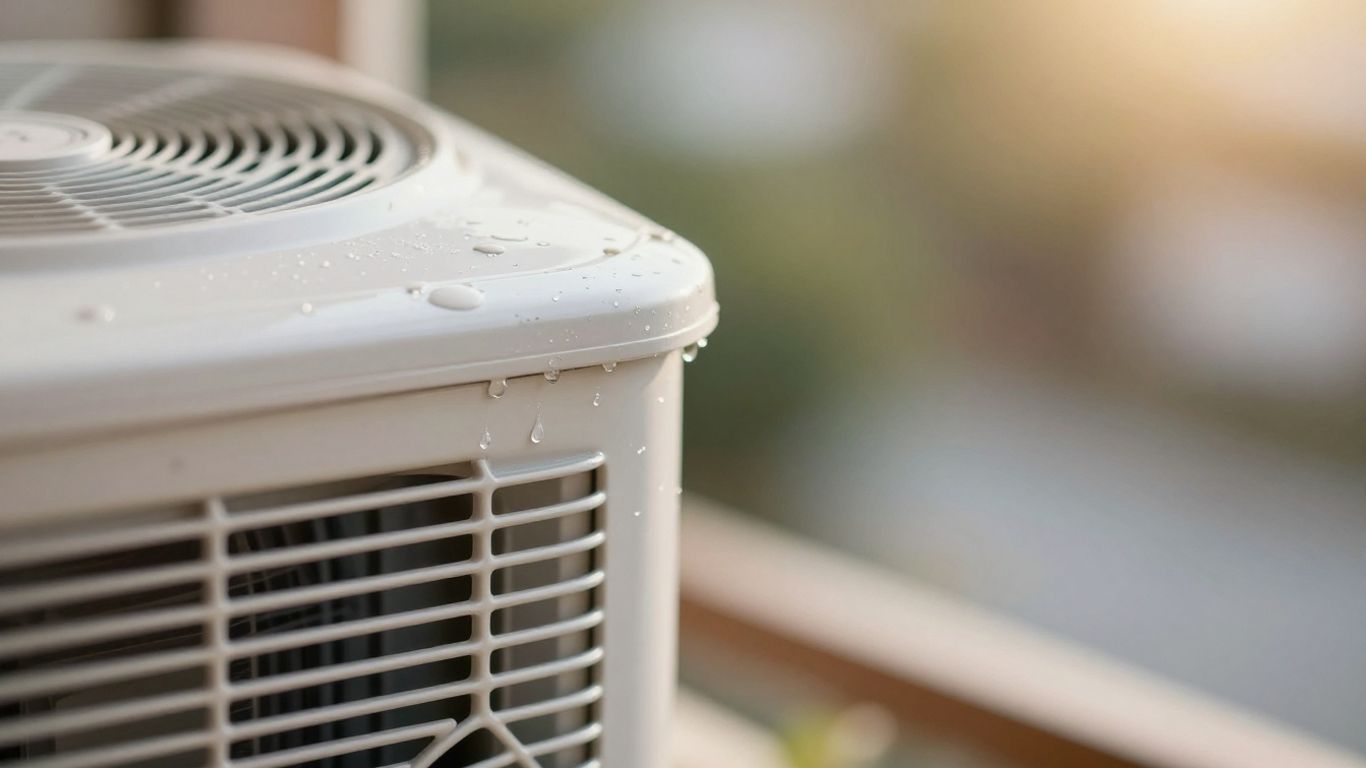
So, your air conditioner keeps turning on and off, huh? It’s like a frustrating game of peek-a-boo with your comfort. This constant cycling isn’t just annoying; it’s usually a sign that something’s not quite right with your system. It can also lead to higher electricity bills and put extra wear and tear on your AC, potentially leading to bigger problems down the road. Let’s figure out why your AC is acting this way.
Key Takeaways
- A thermostat that’s misreading the temperature, in the wrong spot, or has low batteries can cause your AC to cycle on and off erratically.
- Blocked airflow from dirty filters or dirty coils makes your AC work harder and can lead to it shutting down prematurely.
- Issues with the refrigerant, like leaks or low levels, prevent the AC from cooling properly, often causing it to short cycle.
- Problems with electrical parts such as the compressor, capacitors, or circuit boards can make your AC turn on and off unexpectedly.
- An AC unit that’s too big for your home or has poorly designed ductwork can also lead to frequent cycling, reducing efficiency.
Thermostat Issues Causing AC Cycling
Your thermostat is basically the brain of your air conditioning system. It tells the AC when to kick on and when to take a break. If this brain isn’t working right, your AC can get confused and start cycling on and off way more than it should. This isn’t just annoying; it can actually wear out your system faster.
Malfunctioning Thermostat Readings
Sometimes, the thermostat just starts giving bad information. It might think the room is cooler than it actually is, so it tells the AC to shut off. Then, a few minutes later, it realizes it was wrong and turns the AC back on. This can happen for a few reasons. The thermostat itself might be old and just not accurate anymore. Or, the internal components could be failing. It’s like having a thermometer that’s always a few degrees off – you’ll never get things quite right.
Improper Thermostat Placement
Where your thermostat is located makes a big difference. If it’s sitting in direct sunlight, right next to a heat-producing appliance like a lamp or a TV, or even near a heating vent, it’s going to get a false reading. It’ll think the house is warmer than it is and turn the AC on. Once it cools down a bit, it might shut off, only to be triggered back on by the nearby heat source shortly after. It’s a recipe for constant on-and-off.
Here are some common placement mistakes:
- Too close to windows that get direct sun.
- Above or near heat-generating electronics.
- Near a heating vent or radiator.
- In a kitchen where cooking heat can affect it.
Low Thermostat Batteries
This one’s pretty straightforward, especially if you have a digital thermostat. If the batteries are running low, the thermostat might not be able to communicate properly with your AC system. This can lead to erratic behavior, including the short cycling we’re talking about. It’s a simple fix – just pop in some fresh batteries. If you’re not sure if your thermostat uses batteries or how to change them, check your manual or give us a call.
A thermostat that’s constantly trying to figure out the right temperature because of bad readings or placement will make your AC work overtime in short bursts. This isn’t efficient and can lead to premature wear and tear on your system’s components.
Airflow Obstructions Affecting AC Performance
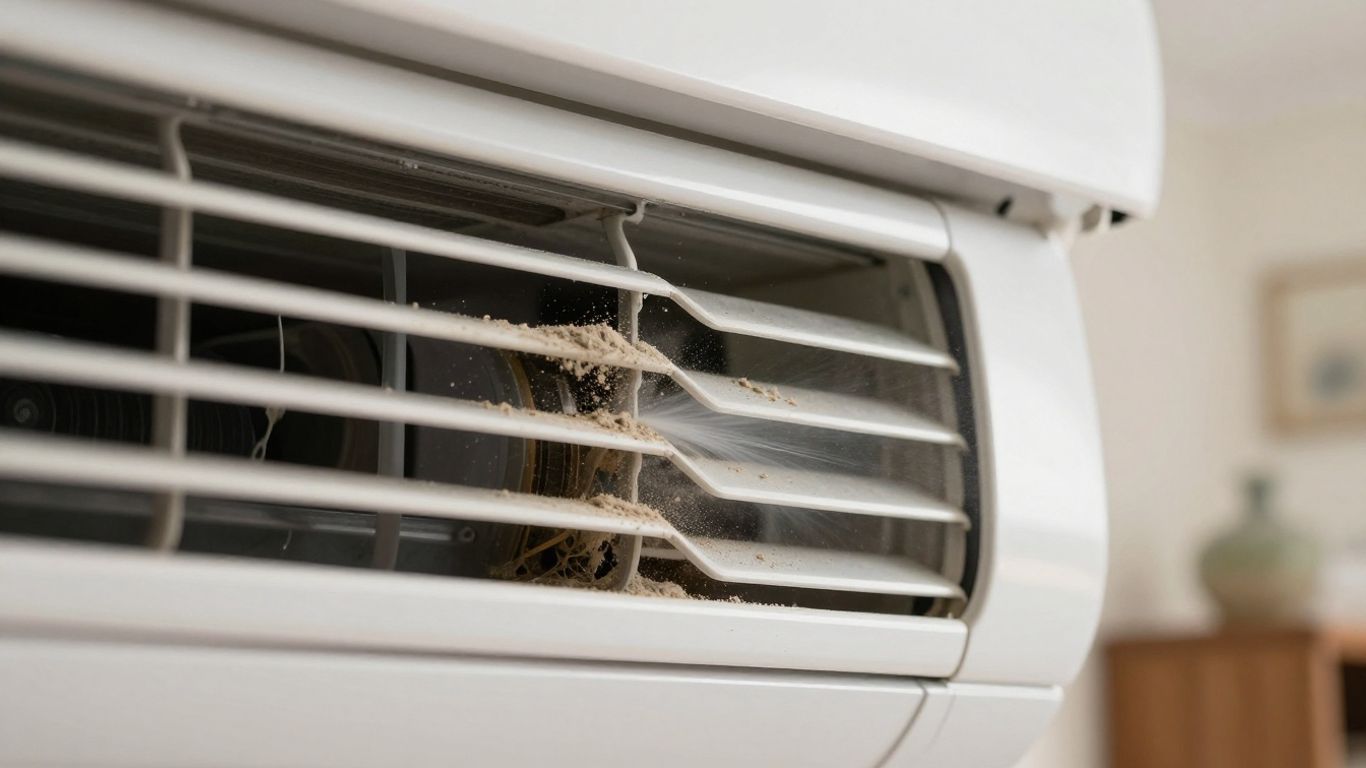
Sometimes, your air conditioner just can’t get the air moving like it should. When that happens, it can get confused and start turning on and off way too much. Think of it like trying to breathe through a straw – it’s tough, right? Your AC feels the same way when airflow is messed up.
Clogged Air Filters
This is probably the most common culprit. Your air filter is supposed to catch dust and gunk, but over time, it gets full. When it’s packed tight, air can’t get through easily. This makes your AC work harder than it needs to, and it might shut down to protect itself. It’s a good idea to check and change your filter regularly. Seriously, it’s a simple fix that makes a big difference.
Dirty Condenser Coils
These coils are usually on the outside unit of your AC. They’re responsible for releasing the heat from your home into the outside air. If they get covered in dirt, leaves, or other debris, they can’t do their job efficiently. The system might overheat or struggle, leading to it shutting off. Keeping the area around your outdoor unit clear of plants and debris helps a lot.
Frozen Evaporator Coils
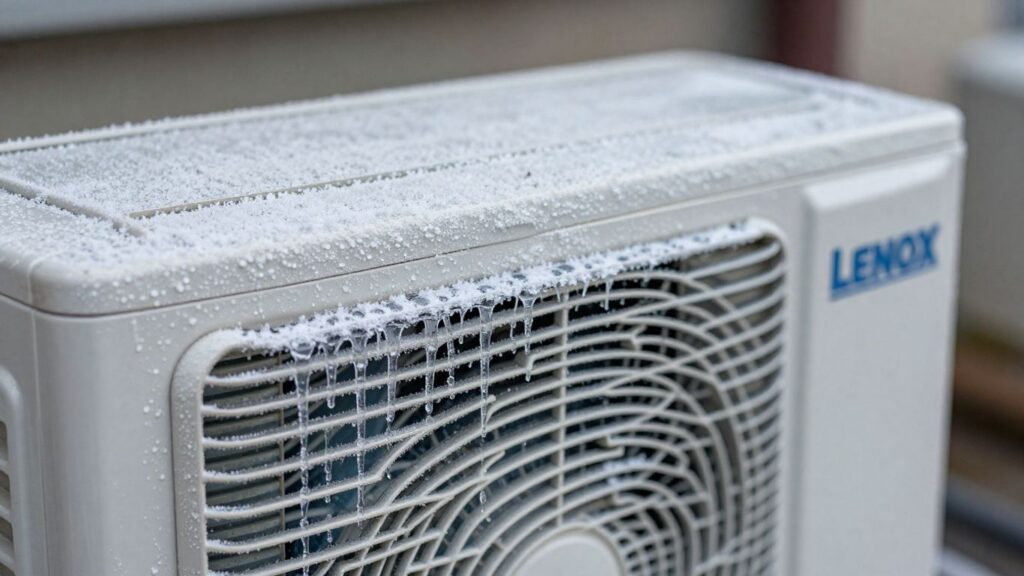
These coils are inside your home, usually in the air handler. If airflow is really bad, or if your AC is low on refrigerant, these coils can get super cold and actually freeze over. When that happens, no air can pass through them. Your AC will likely shut down because it can’t cool anything. You might notice your AC blowing warm air or see ice on the indoor unit if this is the problem.
Refrigerant Problems Leading to AC Shutdowns
Sometimes, the reason your air conditioner is acting up has to do with its lifeblood: the refrigerant. Think of refrigerant as the stuff that makes the cooling happen. It’s a special fluid that moves around inside your AC system, grabbing heat from your house and dumping it outside. If this fluid isn’t at the right level or can’t move properly, your AC just can’t do its job, and it might shut down to protect itself.
Identifying Refrigerant Leaks
Spotting a refrigerant leak isn’t always obvious, but there are clues. You might hear a hissing sound coming from your outdoor unit, which could be the refrigerant escaping. Another sign is if you see ice forming on the refrigerant lines, which are usually found near the indoor unit. This happens because the refrigerant isn’t flowing correctly, causing those lines to get super cold. Also, if your AC is blowing warm air even when it’s set to cool, that’s a big red flag that something’s up with the refrigerant.
Impact of Low Refrigerant Levels
When your AC is low on refrigerant, it’s like trying to run a marathon with half the energy you need. The system struggles to absorb enough heat from your home. To prevent damage to itself, especially to the compressor (which is a pretty important part!), the AC might start shutting off prematurely. This is called short cycling. It’s trying to cool, but it just can’t keep up, so it turns off, then tries again, and the cycle repeats. This not only leaves you uncomfortable but also puts extra strain on your system, potentially leading to more serious and expensive problems down the line, like a frozen evaporator coil or a fried compressor.
- Hissing sounds from the outdoor unit.
- Ice buildup on the refrigerant lines.
- Warm air blowing from vents.
- AC short cycling (turning on and off rapidly).
Dealing with refrigerant issues is not a DIY job. Refrigerant is a chemical that needs careful handling, and only certified professionals have the tools and knowledge to safely detect leaks, recharge the system, or make repairs. Trying to fix it yourself could be dangerous and might even cause more damage to your AC unit.
Electrical Component Failures
Sometimes, the problem isn’t with the air or the thermostat; it’s with the electricity that powers the whole thing. Your air conditioner has a bunch of electrical parts that need to work just right for it to keep humming along. When one of these parts starts acting up, it can throw the whole system off balance, leading to that annoying on-and-off cycling.
Compressor Malfunctions
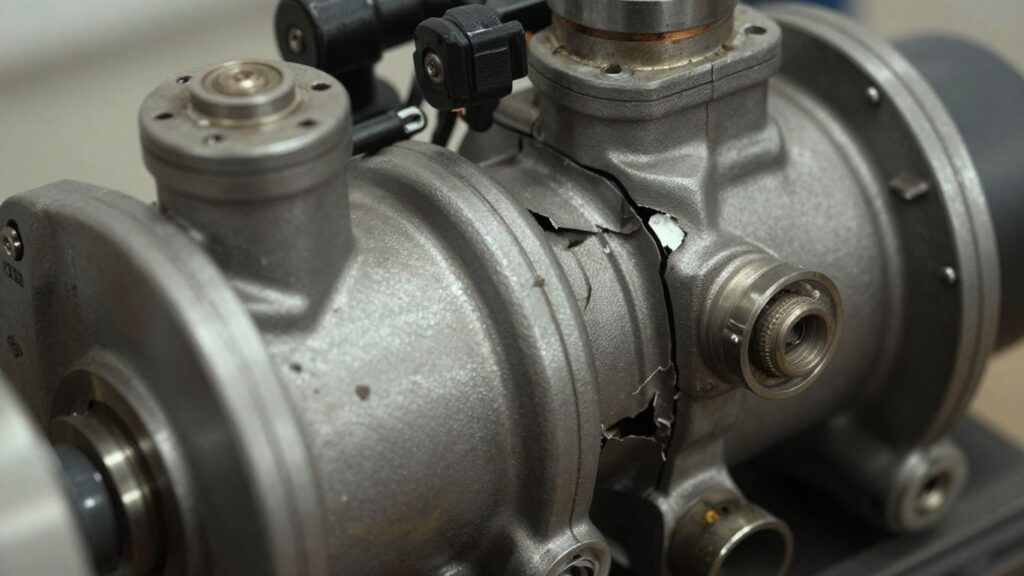
The compressor is basically the heart of your AC system. It’s what pumps the refrigerant around to do the cooling. If the compressor starts to go bad, it might not be able to keep up, or it could even overheat. When this happens, the system’s safety features might kick in and shut it down to prevent more serious damage. You might notice this as the AC running for a bit, then suddenly stopping, only to try again a few minutes later.
Failing Capacitors
Capacitors are like little energy boosters for your AC. They provide the jolt of electricity needed to start up the compressor and the fan motor. If a capacitor is weak or failing, it might not be able to give enough power. This can cause the compressor or fan to struggle to start, or it might shut down shortly after starting. Think of it like trying to start a car with a weak battery – it might sputter and die.
Damaged Circuit Boards
The circuit board is the brain of your AC. It tells all the other parts when to turn on, when to turn off, and for how long. If this board gets damaged, maybe from a power surge or just old age, it can send out all sorts of wrong signals. This could mean telling the AC to turn on and off randomly, or not at all. It’s a bit like a computer glitching out – everything gets messed up.
Electrical issues can be tricky and, frankly, a little dangerous if you’re not experienced. Messing with wiring or internal components without knowing what you’re doing could lead to shocks, further damage to your unit, or even a fire hazard. It’s usually best to leave these kinds of repairs to the pros.
Here are some signs that might point to electrical trouble:
- The AC unit makes strange humming or buzzing noises when it tries to start.
- The system shuts off abruptly without warning.
- You notice a burning smell coming from the unit.
- The AC cycles on and off very quickly, sometimes within minutes.
System Size and Ductwork Concerns
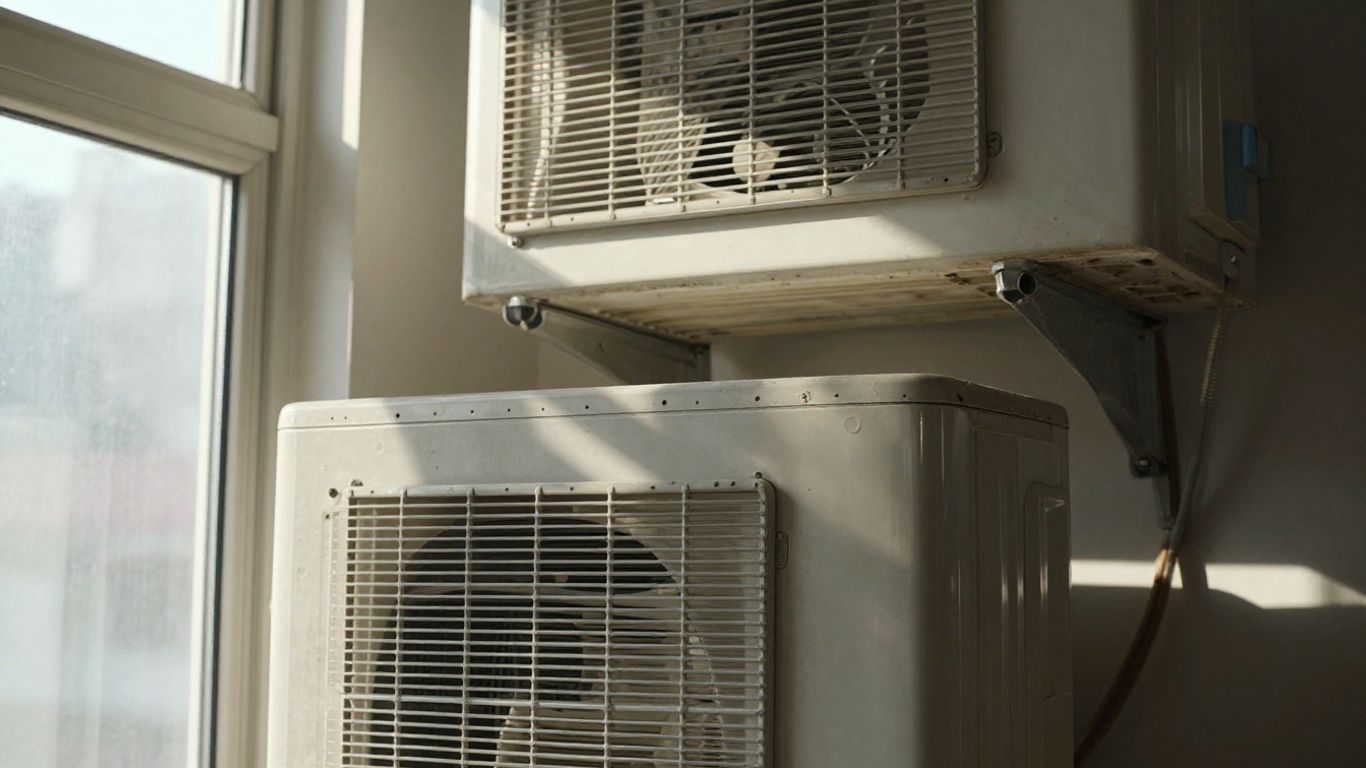
Sometimes, the problem isn’t with a specific part of your AC but with the system as a whole, or how it’s connected to your house. It’s like trying to fit a giant puzzle piece into a tiny spot – it just doesn’t work right.
Oversized Air Conditioner Unit
It might sound weird, but having an air conditioner that’s too big for your home can actually cause it to turn on and off too quickly. This is called short-cycling. The unit cools your house down way too fast, hits the temperature you set on the thermostat, and then shuts off. But because it cooled the air so rapidly, it didn’t have enough time to take out the humidity. So, you end up with a house that’s cool but feels sticky and uncomfortable. Plus, this constant starting and stopping is tough on the AC’s components, leading to more wear and tear and potentially shorter lifespan. It also means your electricity bill might be higher than it needs to be.
Inadequate or Leaky Ductwork
Your ductwork is basically the highway for the cool air to travel from your AC unit to all the rooms in your house. If these ducts aren’t big enough, or if they have holes or gaps, the cool air can’t get where it needs to go efficiently. This means some rooms might be freezing while others are still warm. Your AC might keep running, trying to compensate for the areas that aren’t getting cool enough, or it might shut off prematurely because it thinks the whole house is cool based on a sensor in a poorly cooled area. Leaky ducts also mean you’re losing a lot of that expensive cool air into your attic or walls, which is just a waste of energy and money.
Here’s a quick look at what can go wrong with your ducts:
- Size: Ducts that are too small can’t move enough air.
- Leaks: Holes or gaps let cool air escape before it reaches your rooms.
- Blockages: Things like debris or collapsed sections can stop airflow.
- Poor Design: The way the ducts are laid out might not distribute air evenly.
Fixing ductwork issues often involves sealing leaks, insulating them properly, and sometimes even resizing or rerouting them. It’s a job that usually requires a professional to get right, ensuring that cool air flows smoothly and efficiently throughout your entire home.
The Importance of Regular AC Maintenance
Okay, so your air conditioner is doing that annoying on-again, off-again thing. We’ve talked about some of the reasons why this might be happening, from thermostat quirks to airflow problems. But honestly, a lot of these issues boil down to one simple thing: not enough regular TLC for your AC unit.
Think of your air conditioner like your car. You wouldn’t just drive it for years without an oil change or checking the tires, right? Your AC needs that same kind of attention to keep running smoothly, especially when you need it most. Neglecting it is a fast track to bigger, more expensive problems down the road. Consistent upkeep is the best way to avoid those surprise breakdowns and keep your home comfortable.
Preventing Issues Through Routine Checks
So, what does this ‘regular maintenance’ actually look like? It’s not rocket science, but it does require a bit of diligence. Here are some key things to keep in mind:
- Filter Swaps: This is probably the easiest and most impactful thing you can do. Clogged filters choke airflow, making your AC work way harder than it needs to. Aim to replace or clean your filters every 1 to 2 months during the cooling season. It’s a small task that makes a huge difference.
- Coil Cleaning: Both the indoor evaporator coils and the outdoor condenser coils can get gunked up with dust, dirt, and debris. Dirty coils can’t transfer heat effectively, leading to your system overheating and shutting down. Keeping them clean is vital.
- Clear the Area: Make sure the outdoor unit (the condenser) isn’t surrounded by overgrown bushes, weeds, or clutter. It needs good airflow to do its job. Give it at least a couple of feet of clear space.
- Check for Leaks: While you might not be able to spot tiny refrigerant leaks yourself, keeping an eye on your system’s performance can give you clues. If your AC is struggling to cool or running constantly without much effect, it might be low on refrigerant, which points to a leak.
Skipping routine check-ups is like playing a game of chance with your comfort. You might get away with it for a while, but eventually, something’s bound to break when you least expect it, usually on the hottest day of the year.
When to Call a Professional Technician
Now, I’m all for DIY, but there are times when you just need to call in the pros. If you’ve done the basic maintenance like changing filters and clearing debris, but your AC is still short cycling or acting up, it’s probably time to get an expert involved. Trying to fix more complex issues without the right knowledge can sometimes make things worse, potentially damaging expensive components like the compressor. You should definitely reach out if you notice:
- Strange noises: Clanking, buzzing, or grinding sounds are never good signs.
- The outdoor unit feels unusually hot to the touch.
- Your AC is blowing warm air.
- The system shuts off shortly after starting, and it’s not just a quick cycle.
These kinds of problems often point to deeper issues that require specialized tools and know-how. Scheduling an annual tune-up with a qualified HVAC professional is a smart move. They can catch small problems before they become big headaches and ensure your system is running at its best. You can find great resources for AC service to keep your system in top shape.
Don’t Let Your AC Keep You Guessing
So, if your air conditioner is doing that annoying on-again, off-again thing, it’s definitely not something to just ignore. It’s not only wasting energy and making your electric bill jump, but it’s also putting a real strain on the unit itself. Think of it like revving a car engine constantly instead of just driving it – it’s just not good for the machinery. While some issues, like a dirty filter or a thermostat needing new batteries, are pretty simple fixes you can handle yourself, others are a bit more complicated. Problems with refrigerant, coils, or the compressor usually mean it’s time to call in a professional. Getting it checked out sooner rather than later can save you from bigger headaches and more expensive repairs down the road. Keeping your AC running smoothly means a more comfortable home and a system that lasts longer.
Frequently Asked Questions
What does it mean if my AC keeps turning on and off quickly?
When your air conditioner turns on for a short time and then shuts off again, it’s called ‘short cycling.’ This isn’t good because it uses more energy than running normally, puts extra stress on your AC, and can lead to bigger problems down the road. It’s best to get it checked out by a professional if you notice this happening.
Could my thermostat be the reason my AC is short cycling?
Yes, absolutely! A thermostat that’s not working right can cause this. It might be reading the temperature wrong, or maybe it’s just old and needs new batteries. Sometimes, where the thermostat is placed in the house can also trick it into thinking the room is cooler than it really is, making the AC turn off too soon.
How does a dirty air filter affect my AC?
A dirty air filter is like a traffic jam for the air in your home. When it’s clogged, your AC has to work way harder to push air through. This can make the system overheat and force it to shut off to cool down. Regularly changing your air filter is a simple fix that makes a big difference.
What are dirty coils and how do they cause AC problems?
Your AC has coils that help cool the air. Over time, these coils can get covered in dust and dirt. When they’re dirty, they can’t do their job as well, which can make your AC overheat and shut off. Cleaning them helps your system run much better.
What is refrigerant and why is a leak a problem?
Refrigerant is like the ‘blood’ of your AC system; it’s a special liquid that helps absorb heat from inside your house and move it outside. If there’s a leak, your AC won’t have enough of this coolant to work properly. This can cause it to struggle, shut down, and even damage other parts like the compressor.
Can an AC unit be too big for my house?
Surprisingly, yes! If your air conditioner is too powerful for the size of your home, it can cool the space down too quickly and then shut off before it has a chance to dehumidify the air properly. This rapid on-and-off pattern, or short cycling, is inefficient and can wear out your AC faster.