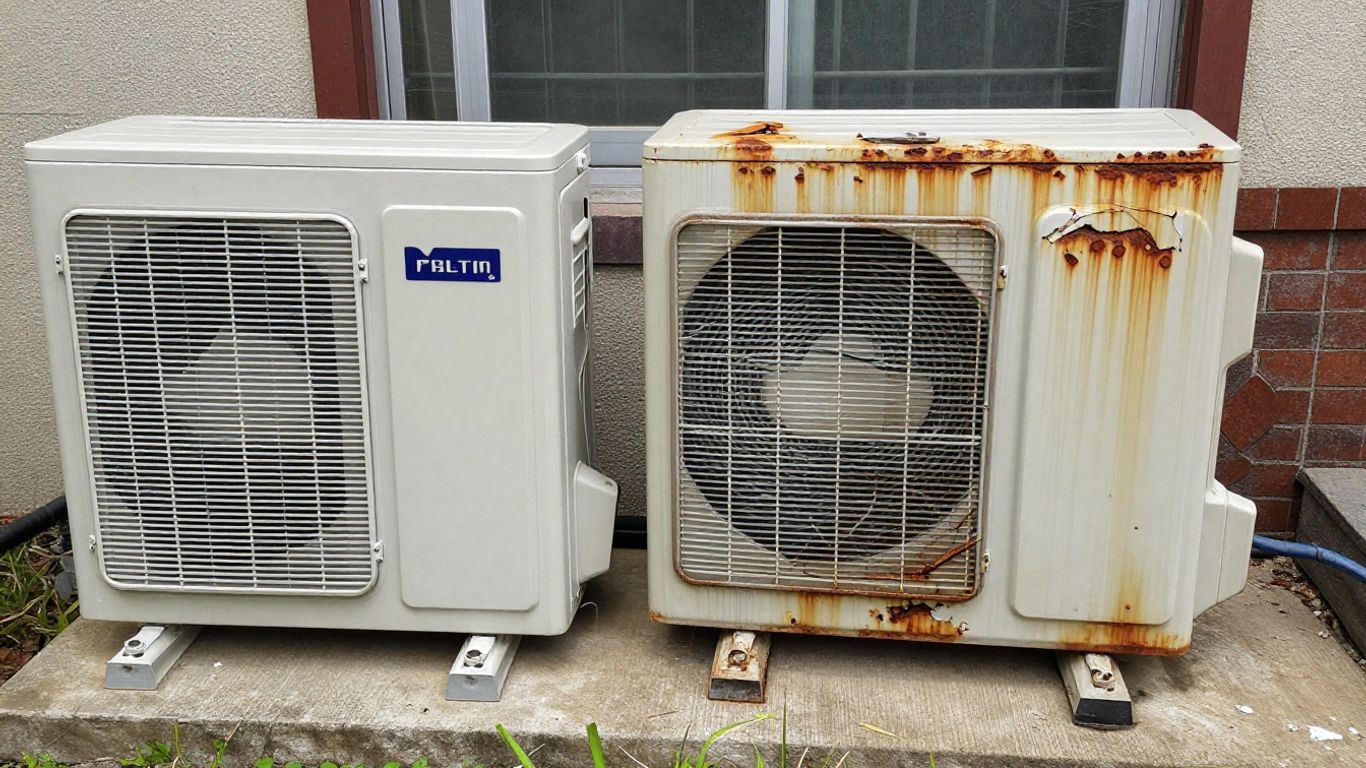
So, your air conditioner is making some weird noises, or maybe the electric bill just keeps going up. It happens. Figuring out if you should fix that old unit or just get a new one can be a real headache, especially here in Michigan. We get those super humid summers and chilly winters, and that takes a toll on your AC. This guide is here to help you sort through the mess and decide if it’s time to repair or replace your AC, saving you some cash and a lot of sweat.
Key Takeaways
- Most air conditioners in Michigan last between 12 and 20 years, but factors like humidity and frequent use can shorten that lifespan. If your unit is over 15 years old, it’s likely time to consider replacement.
- Watch out for signs like frequent breakdowns, rising energy bills, uneven cooling, and strange noises. These often point to an AC that’s on its last legs and might be more expensive to keep running than to replace.
- A good rule of thumb is the ‘5,000 rule’: if the cost of a repair multiplied by the age of your AC is over $5,000, it’s usually smarter to buy a new one.
- Older homes in Michigan might have different challenges, like outdated ductwork or issues related to lake-effect humidity, which can influence whether repair or replacement is the best option.
- Getting a professional inspection is a smart move. An HVAC tech can give you a clear picture of your AC’s health and help you make an informed decision about whether to repair or replace your AC.
Understanding Your Air Conditioner’s Lifespan in Michigan
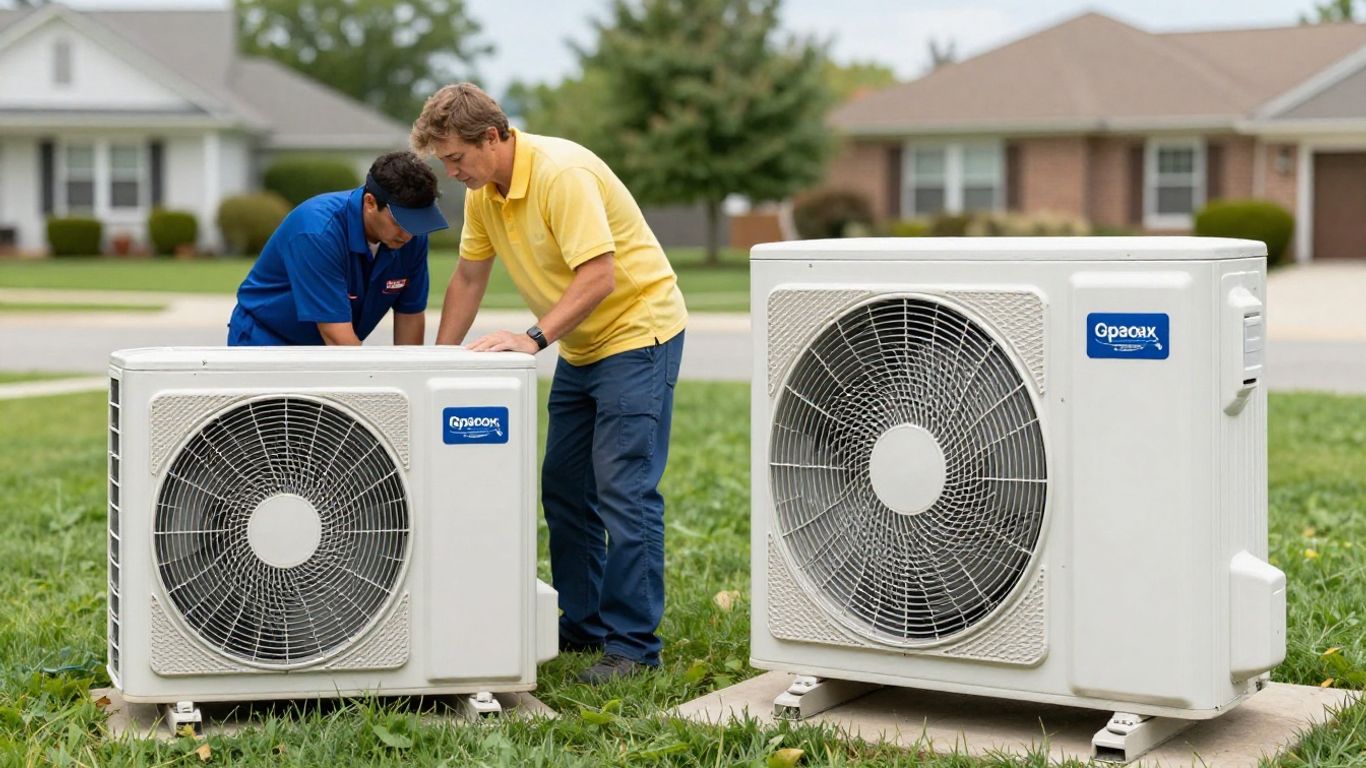
So, you’re wondering how long your air conditioner is supposed to stick around, especially here in Michigan? It’s a good question, and the answer isn’t as simple as just picking a number out of a hat. A lot goes into how long these systems keep humming along, keeping you cool during those surprisingly warm Michigan summers.
Factors Affecting AC Longevity in Michigan’s Climate
Michigan’s weather throws some unique challenges at your AC. We’ve got those humid lakeside days, which can really make your system work harder, especially the coils. Then there are the temperature swings. Plus, let’s be honest, our cooling season isn’t year-round like in some other parts of the country, but when it’s on, it can be working overtime. All these things add up.
Here are some of the main things that influence how long your AC lasts:
- Maintenance Habits: This is a big one. Regular check-ups, like getting your system serviced annually, can add years to its life. It’s like taking your car in for oil changes; it just keeps things running smoother.
- Installation Quality: Was the unit installed correctly in the first place? A system that’s too big or too small for your house, or just not hooked up right, will struggle from day one.
- Usage Patterns: How often do you run your AC, and at what temperatures? Constantly cranking it to the lowest setting when it’s only slightly warm outside puts more wear and tear on the components.
- Environmental Factors: Things like air pollution, dust, and even the proximity to Lake Michigan (hello, humidity and salt air!) can affect different parts of the system.
The U.S. Department of Energy suggests that a central air conditioner, with good care, should last between 15 and 20 years. However, in Michigan, we often see that timeline shorten a bit due to our specific climate conditions.
The Average Lifespan of Air Conditioners
Nationally, you’re looking at about 15 to 20 years for a central air conditioning system. But here in Michigan, it’s more common to see systems hitting their stride for around 12 to 14 years. Some units, with diligent care and maybe a bit of luck, can push past that 15-year mark, but it becomes less common. It really depends on the brand, the model, and how well it’s been looked after. If your unit is getting up there, it might be worth looking into new air conditioning systems before it becomes an emergency.
When Age Becomes a Significant Factor
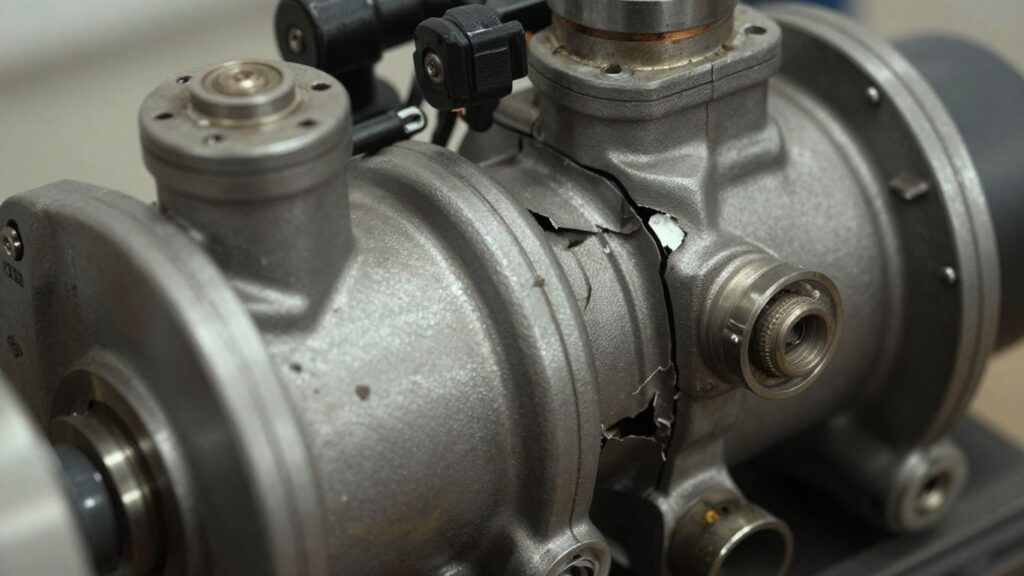
Age is definitely a number you want to keep an eye on. Once an air conditioner crosses the 10-year threshold, things start to change. The parts inside are older, less efficient, and more prone to breaking down. Think of it like an older car – it might still run, but you start expecting more frequent visits to the mechanic. For AC units, once they hit 12-15 years, the likelihood of a major, expensive repair like a compressor failure goes up significantly. At this point, you really need to weigh the cost of fixing an old system against the benefits of a new, more energy-efficient one.
Key Indicators Your AC Needs Replacement
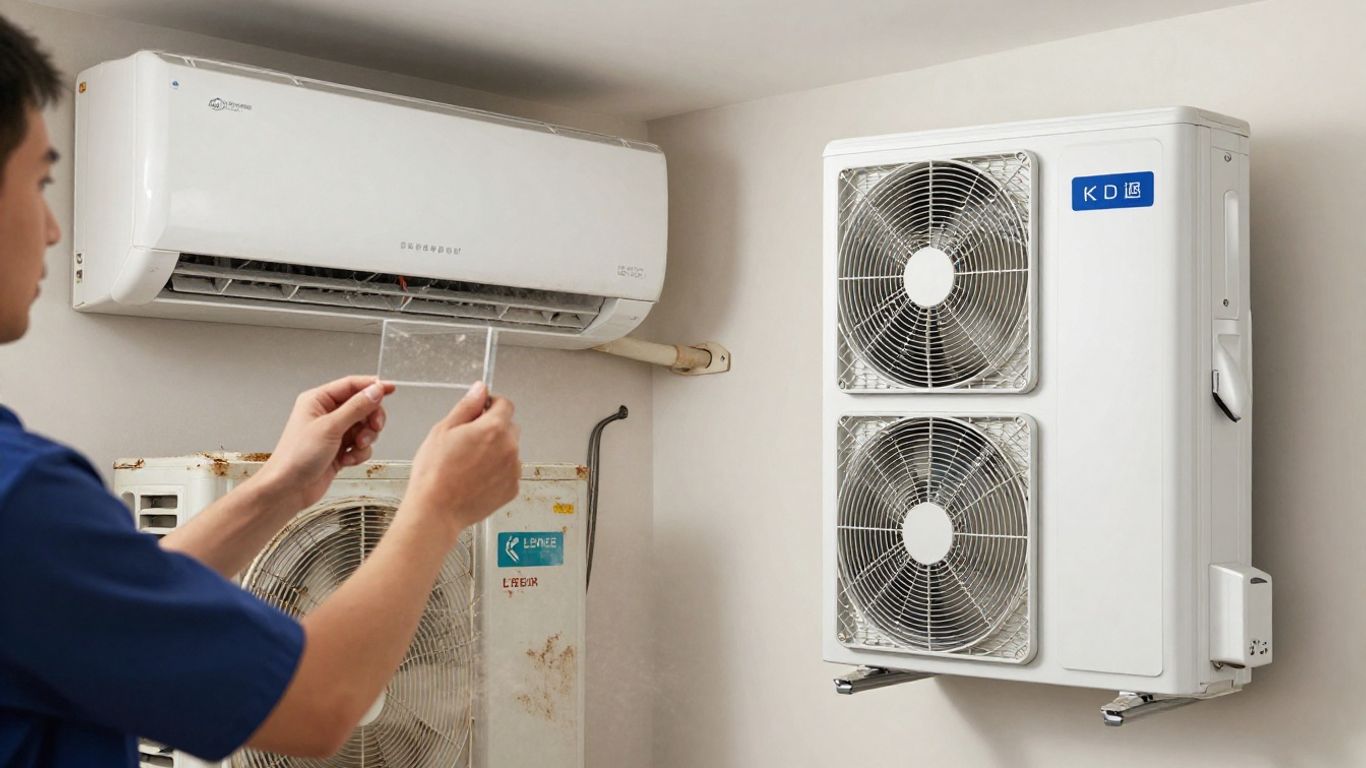
Sometimes, your air conditioner just starts acting up. It’s not always a sudden breakdown, but a collection of little things that add up. If you’re noticing a pattern of problems, it might be a sign that your system is just getting too old or worn out to keep up.
Frequent and Costly Repair History
If you’ve found yourself calling for AC service more than once or twice in a single cooling season, that’s a pretty big red flag. Think about it: each repair costs money, and if you’re having multiple issues, those costs can really pile up. It’s like patching a leaky boat – eventually, you’ve spent so much on patches that a new boat would have been cheaper.
- More than two service calls in one cooling season.
- Repair costs are starting to feel like a monthly bill.
- The same problem keeps coming back, even after a fix.
When you’re constantly dealing with breakdowns, it’s not just about the money. It’s also about the stress and the discomfort of not having reliable cooling when you need it most, especially during those hot Michigan summers.
Declining Efficiency and Rising Energy Bills
Has your electric bill been creeping up lately, even though you haven’t changed your habits? Your air conditioner might be working harder than it needs to. Older units, or those with worn-out parts, just aren’t as efficient as they used to be. They have to run longer and use more power to cool your home to the same temperature. This can be due to things like slightly leaky refrigerant lines or dirty coils that restrict airflow.
Performance Issues: Uneven Cooling and Weak Airflow
Is one room freezing while another feels like a sauna? Or maybe the air coming out of your vents just doesn’t feel as strong as it used to. These are signs that your AC is struggling to do its job. It might not be able to circulate air effectively throughout your house anymore, leading to those uncomfortable hot and cold spots. This can happen if the fan motor is weakening or if the ductwork has developed leaks.
Unusual Noises and System Age
Your AC probably makes some noise when it runs, but if you’re hearing new sounds like grinding, banging, or loud rattling, that’s definitely cause for concern. These noises often point to serious internal problems, like a failing motor or compressor. When you combine these strange sounds with a system that’s getting up there in age – say, over 12 to 15 years old – it’s usually a strong signal that replacement is a better option than trying to fix it.
When Repair or Replace AC Makes Financial Sense
It’s not always clear when you should hold onto your air conditioner and when you should let it go. If you’re in Michigan, the choice often comes down to money and practicality. Knowing when it makes more financial sense to repair than replace — or the other way around — is key to keeping your home comfortable without stressing your wallet.
The Cost-Benefit Analysis of AC Repair
Before you head straight for a replacement, it’s smart to weigh the cost and expected lifespan of your current system. Ask yourself:
- How old is the AC unit?
- How much will the repair cost versus a new unit?
- Has your AC needed frequent repairs recently?
- Are you facing high repair costs for major parts (like compressors or coils)?
A simple capacitor or thermostat repair is usually a drop in the bucket compared to the price of installing a whole new AC. If your system is under 10 years old, energy bills have stayed stable, and the problem is a basic part, fixing it often makes the most sense.
The ‘5,000 Rule’ for Repair vs. Replace Decisions
Many Michigan HVAC pros use a simple rule of thumb: multiply your system’s age by the cost of repair. If the answer is over $5,000, replacement usually wins out. If it’s under, then repair is likely the smarter way to go.
Here’s a quick table to help visualize this:
| AC Age (years) | Repair Cost ($) | Age x Cost | Recommendation |
|---|---|---|---|
| 7 | 400 | 2,800 | Repair |
| 13 | 1,200 | 15,600 | Replace |
| 9 | 650 | 5,850 | Replace |
| 6 | 250 | 1,500 | Repair |
- The ‘5,000 Rule’ keeps you from pouring money into an AC that’s likely to fail again soon.
- For older units, especially over 12 years, expensive repairs rarely pay off long-term.
- For newer models or smaller fixes, you’ll usually get more use after a lower-cost repair.
Considering the Cost of Ductwork and Electrical Upgrades
Sometimes, replacing just the AC isn’t enough — especially in older Michigan homes. The cost of updating ductwork or electrical service can swing your decision one way or the other:
- If your ductwork is leaky or undersized, new AC won’t solve comfort problems.
- Old electrical panels might need upgrades to support a modern, high-efficiency unit.
- Bundling these upgrades with replacement might offer savings through rebates or installation discounts.
If you’re not sure which way to go, run the numbers and think about more than just the next cooling season. The upfront cost is big, but an efficient system could pay you back in lower bills and fewer emergency calls down the road.
Specific Considerations for Older Michigan Homes
Living in an older home here in Michigan, especially one built before the 1990s, can come with its own set of quirks when it comes to air conditioning. Many of these homes weren’t originally designed with central air in mind. Think about it: they might have had boilers for heat, or maybe they were built as seasonal cottages. Plus, the way they were constructed, and sometimes the materials used, can make adding or upgrading AC a bit more complicated than in newer houses.
Challenges with Pre-1990 Home Construction
Older homes often have different layouts and building materials that affect how AC systems work. Plaster walls, for instance, can be trickier to run new ductwork through compared to drywall. Insulation levels might also be lower than what we see in modern homes, meaning your AC has to work harder to keep things cool. This can lead to uneven temperatures from room to room, or even between floors. If your home has had renovations, like adding a finished basement or an upstairs addition, the original AC system might simply be too small for the increased square footage.
Impact of Lake-Effect Humidity on AC Systems
Michigan’s proximity to the Great Lakes means we often deal with higher humidity, especially near the water. This lake-effect humidity can really put a strain on your air conditioner. It makes the system work harder not just to cool the air, but also to remove moisture. Over time, this extra work can lead to increased wear and tear, particularly on the coils. In coastal areas or homes right on the lake, you might notice AC components corroding faster than they would inland. This means more frequent cleaning and a higher chance of needing repairs sooner.
Evaluating Ductwork in Historic Properties
When you have an older home, especially a historic one, the ductwork is a big piece of the puzzle. Many older homes either have no ductwork at all (if they relied on radiators or baseboard heat) or have older, potentially leaky ducts. If your home has ductwork, it might be undersized for modern cooling needs or made of materials that aren’t as efficient. Sometimes, the layout of the house makes it really difficult and expensive to install new, properly sized ducts without disturbing original finishes like ornate woodwork or plaster. This is where options like ductless mini-split systems can become a really attractive alternative, as they don’t require extensive duct installation.
Deciding whether to repair or replace your AC in an older Michigan home often comes down to more than just the age of the unit. You have to consider how the house itself was built, the existing ductwork (or lack thereof), and how Michigan’s climate, particularly humidity, affects the system’s performance and lifespan. It’s a balancing act between repair costs, potential energy savings, and the overall comfort of your home.
The Role of Professional Inspections
When your air conditioner starts acting up—maybe it’s noisy, your house isn’t staying as cool, or the energy bill jumps—a professional AC inspection can help you figure out your next move. In Michigan, where summers get muggy and hot fast, having an expert take a look makes a lot of sense. A thorough check by a qualified technician gives you a clear picture of your system’s health and helps you decide whether repair or replacement is the smarter call.
What an AC Inspection Entails
A professional AC inspection is more than just a quick glance at the unit. Most technicians follow a detailed checklist, which usually covers:
- Checking refrigerant levels and testing for leaks
- Inspecting electrical wiring and connections
- Measuring airflow all through the house
- Testing the thermostat for accuracy
- Examining coils and other mechanical parts for dirt or damage
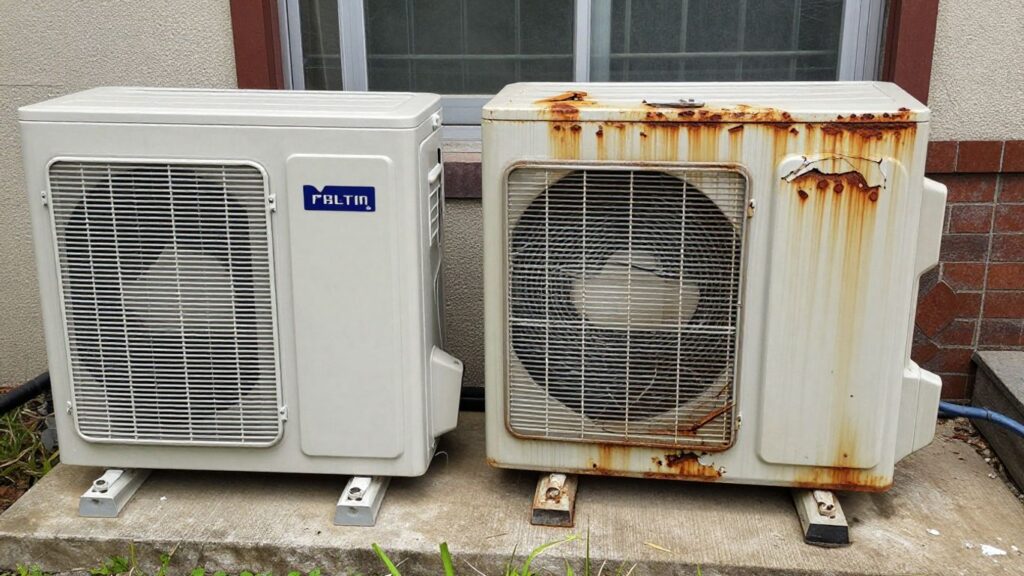
- Looking for signs of rust, corrosion, or moisture problems
- Testing all safety controls
Usually, you’ll get a written report at the end—sometimes with cost estimates for recommended repairs.
Using Inspection Findings to Decide Repair or Replace
The inspection results should guide your next steps. Here are three common scenarios and what they might mean:
| Inspection Result | Recommendation |
|---|---|
| Minor wear or small issues | Repair usually makes sense |
| Major component failure, system is aging | Replacement is smarter |
| Efficiency below modern standard | Replacement recommended |
Other factors, like lots of previous repairs or extremely high energy bills, might tip the scale toward getting a new unit. But if most of what’s found is simple to fix, repair could buy you a few more years.
Benefits of Regular AC Maintenance
Having your AC checked by a pro once a year pays off in a few ways:
- Cuts down the risk of surprise breakdowns in the middle of July heatwaves.
- Keeps your system running as efficiently as possible, saving you money on utility bills.
- Often extends the actual life of your air conditioner, putting off an expensive replacement.
- Makes it easier to catch ductwork or electrical problems before they get serious.
Even if your air conditioner seems fine now, a spring inspection can spot small issues—helping you avoid bigger headaches when summer hits full force.
In the end, regular professional inspections mean fewer emergencies, clearer choices, and a more comfortable home all summer long.
Planning for Air Conditioner Replacement
When it’s time to switch out your air conditioner, a bit of planning will save you stress, money, and trouble down the road. A thoughtful approach means you aren’t stuck making major decisions during the first heat wave in July or when your system finally gives out.
Timing Your Replacement Strategically
If you can, avoid waiting until your AC completely breaks down in the middle of summer. Here’s why scheduling your replacement during the spring or fall makes sense:
- Contractors usually have more open schedules, so it’s easier to get the timing you want.
- You’ll have a wider selection of equipment styles and efficiency levels because supply tends to be better outside of peak season.
- There’s time for load calculations and ductwork checks—no one’s making rushed decisions.
- Sometimes, labor and installation prices are slightly lower than in peak summer.
A well-timed replacement helps you avoid the headaches of emergency jobs.
Planning ahead for AC replacement lets you budget, understand your options, and make decisions without the pressure of extreme weather or back-logged HVAC companies.
Exploring Financing and Rebate Options in Michigan
Let’s face it: Replacing your AC is not cheap. Luckily, you have some options to make the cost more manageable.
Common payment solutions include:
- HVAC company-offered financing plans (some with 0% introductory rates)
- Utility rebates for installing energy-efficient systems
- Michigan state or local incentives for upgrading old systems
Here’s a quick comparison table for common rebates (as of Spring 2026):
| Program | Typical Rebate Amount | Requirements |
|---|---|---|
| DTE Energy Efficiency | $450 – $1,000 | Must install 15+ SEER2 system |
| Consumers Energy Rebates | $400 – $950 | ENERGY STAR® certification |
| Michigan Saves Financing | Low-APR loans | Participating contractor needed |
Always ask both your contractor and utility company if current offers apply to you—they change every year.
Considering a Furnace Replacement Simultaneously
If your furnace is over 15 years old, it may make sense to replace both your AC and furnace during the same project. Here’s why:
- Labor is often cheaper when you combine jobs—crews only need to make one trip and deal with ductwork or electrical changes just once.
- Compatibility: Modern AC and furnace systems are designed to work together, improving efficiency and reducing breakdowns.
- You won’t have to face a second major replacement in the middle of winter, or pay for another round of labor.
Bottom line:
- If both units are nearing their end, combining them can lower your future expenses and ensure your home’s comfort isn’t interrupted next season.
By planning your air conditioner replacement now, you give yourself time to shop for rebates, compare systems, and avoid the pressure of emergency shopping. Take it step by step, and you’ll find the right solution for your Michigan home.
Making the Right Call for Your Home’s Comfort
So, when it comes down to it, deciding whether to repair your air conditioner or just get a new one isn’t always a clear-cut answer. We’ve talked about how age, repair history, and even those rising energy bills all play a part. Sometimes, a simple fix is all you need to get through another summer. But if your system is getting up there in years, needs constant attention, or just isn’t keeping up like it used to, it might be time to think about investing in a new, more efficient unit. Taking the time to weigh these factors now can save you a lot of headaches and money down the road, ensuring your home stays cool and comfortable right here in Michigan.
Frequently Asked Questions
How long do air conditioners usually last in Michigan?
In Michigan, air conditioners typically work well for about 12 to 20 years. This can change a lot depending on how much you use it, how well you take care of it, and how it was put in. Michigan’s weather, with cold winters and sticky summers, can make your AC work harder, sometimes shortening its life.
What are the main signs that my AC needs to be replaced?
If your AC is over 15 years old, needs repairs often, or your energy bills are going up even though you’re using it the same amount, it’s probably time for a new one. You might also notice it’s not cooling your house evenly, or it’s making strange noises like banging or grinding.
When is it better to repair my AC instead of replacing it?
Repairing might be the way to go if your AC is less than 10 years old and still works pretty well. If the cost to fix it is less than about 30% of what a new AC would cost, and the problem is something small like a thermostat issue or a clogged filter, fixing it can save you money for a while longer.
Are older homes in Michigan harder on air conditioners?
Yes, older homes can be tougher on ACs. Many were built before central air was common and might have older ductwork or less insulation. The humidity from the Great Lakes also adds extra stress, making the system work harder to keep things cool and dry.
How can a professional inspection help me decide whether to repair or replace my AC?
A professional inspection gives you a clear picture of your AC’s health. A technician checks important parts like refrigerant levels, electrical connections, and coils. They’ll give you a report with their findings and honest advice on whether a repair is a good idea or if it’s time to start looking at new models.
Are there any financial programs to help with AC replacement costs in Michigan?
Yes, there are! Michigan often has rebates from energy companies like DTE and Consumers Energy for installing high-efficiency air conditioners. There might also be federal tax credits available. It’s a good idea to check for current programs when you’re planning to buy a new system, as they can help lower the overall cost.