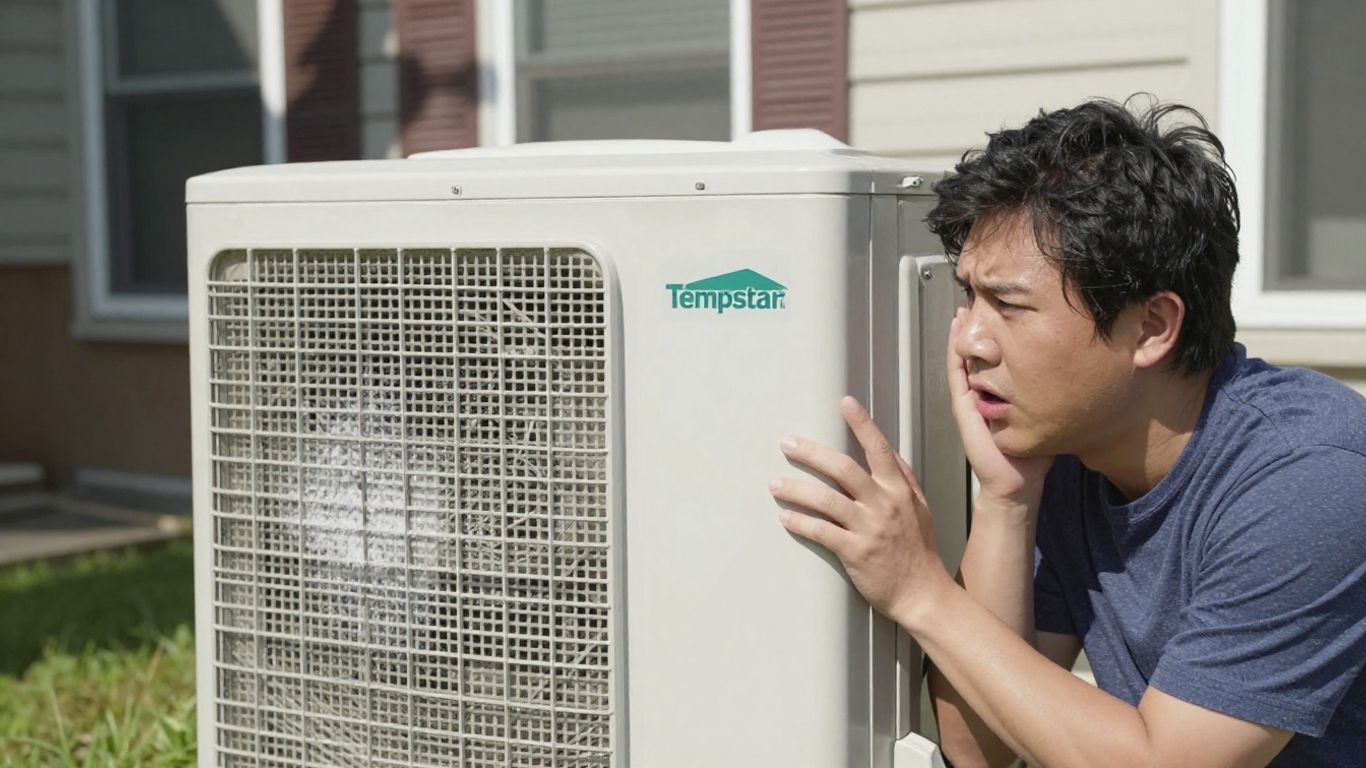
It’s a real bummer when your Tempstar AC decides it doesn’t want to cool your home anymore. You expect cool air, and instead, you get… well, warm air. This can happen for a bunch of reasons, and not all of them mean you need a brand new unit. Sometimes it’s something simple, other times it’s a bit more involved. Let’s look at some common things that might be causing your Tempstar AC not cooling your house.
Key Takeaways
- Check your thermostat settings first; incorrect temperatures or a faulty unit can stop cooling.
- Dirty air filters and blocked vents are common culprits that restrict airflow.
- Frozen or dirty evaporator coils prevent effective cooling and strain the system.
- Compressor issues or tripped circuit breakers can halt the cooling process entirely.
- Low refrigerant levels due to leaks mean your AC can’t cool the air properly.
Thermostat Issues Causing Tempstar AC Not Cooling
Sometimes, your Tempstar AC might seem like it’s not working right, but the issue is actually with the thermostat. These can be tricky. A thermostat that’s not communicating properly with the rest of the system can lead to all sorts of problems, from the AC not turning on at all to it running constantly. Getting the thermostat to talk to the AC again is often the first step in solving bigger system issues.
Incorrect Thermostat Settings
It sounds simple, but you’d be surprised how often the thermostat is just set wrong. Maybe someone accidentally bumped the temperature up, or it got switched to ‘Fan Only’ mode. Double-checking these basic settings is always the first step.
- Mode: Make sure it’s set to ‘Cool’ and not ‘Heat’ or ‘Fan Only’.
- Temperature: Ensure the set temperature is lower than the current room temperature. If it’s set higher, the AC won’t kick on.
- Fan Setting: ‘Auto’ is usually best. ‘On’ will run the fan continuously, which can sometimes make the air feel cooler than it actually is, or lead to short cycling.
Faulty Thermostat Communication
Your thermostat is the brain of your AC system, sending signals to tell it when to cool. If there’s a communication breakdown, the AC might not get the message. This can happen for a few reasons:
- Loose Wiring: Wires connecting the thermostat to the AC unit can become loose over time. A quick check behind the thermostat plate might reveal a disconnected wire.
- Dead Batteries: If your thermostat uses batteries, old or dead ones can prevent it from sending signals properly.
- System Glitch: Sometimes, the thermostat itself can experience a temporary glitch. A simple reset, often by turning off the power to the AC at the breaker for a minute, can sometimes clear this.
If you’ve checked the batteries and settings and still have issues, it might be time to look into professional Tempstar AC repair services. They can diagnose if the problem is with the thermostat itself or the wiring connecting it to your system.
Thermostat Sensor Problems
Thermostats have sensors that read the room temperature. If these sensors are dirty, blocked, or faulty, they won’t give an accurate reading. This means your AC might think the room is cooler than it is, or vice versa, leading to improper cooling.
- Obstructions: Make sure nothing is blocking the thermostat, like furniture or curtains. This can prevent it from sensing the room’s actual temperature.
- Dust Buildup: Dust can accumulate on the sensor, affecting its accuracy. Gently cleaning the sensor area can help.
- Sensor Failure: In some cases, the sensor itself might fail, requiring a thermostat replacement.
Airflow Obstructions Affecting Cooling Performance
Sometimes, the issue isn’t that your Tempstar AC isn’t making cold air, but rather that the cold air can’t get where it needs to go. Think of it like trying to drink through a straw that’s been squashed – not much gets through, right? Airflow problems can really mess with your home’s comfort.
Dirty or Clogged Air Filters
This is probably the most common culprit, and it’s usually the easiest to fix. Your air filter is like the lungs of your AC system. It catches all the dust, pet hair, and other junk floating around in your house. When that filter gets totally packed, air just can’t pass through it easily. This makes your AC work way harder than it needs to, which wastes energy and can even lead to the system overheating or freezing up. You should really be checking and changing your air filter regularly. For most homes, swapping it out every 1 to 3 months is a good idea. If you have pets, allergies, or live in a dusty area, you might need to do it even more often. A dirty filter can also impact your indoor air quality, potentially leading to issues like mold growth if moisture gets trapped.
Blocked or Closed Registers
Even if your AC is pushing out cold air, it won’t do much good if the vents (registers) that let the air into your rooms are blocked. Furniture, rugs, or even curtains can accidentally end up covering them. Make sure all the registers in the rooms you want cooled are open and clear. It sounds simple, but people often overlook this. Sometimes, homeowners close registers in rooms they don’t use often, thinking they’re saving energy, but this can actually throw off the whole system’s balance and make other areas less cool.
Ductwork Blockages
Your ductwork is the network of tunnels that carries the conditioned air from your AC unit to all the rooms in your house. If these ducts get blocked, kinked, or even develop leaks, the airflow gets seriously messed up. Things like debris, insulation that’s fallen into the ducts, or even pests can cause blockages. Leaky ducts mean that cold air is escaping into your attic or crawl spaces instead of your living room. Keeping your ductwork in good shape is important for both cooling and indoor air quality.
Here’s a quick rundown of what to look for:
- Filters: Check for visible dirt and dust buildup. If you can’t see through it, it’s time for a change.
- Registers: Walk around your house and ensure all vents are open and unobstructed by furniture or decor.
- Ductwork: Listen for unusual noises like whistling or hissing, which could indicate leaks. Visually inspect accessible ductwork for damage or sagging.
Addressing airflow issues is often a straightforward fix that can make a big difference in how well your Tempstar AC cools your home. Don’t underestimate the power of a clean filter and clear vents.
Evaporator Coil Problems Leading to No Cooling
Dirty Evaporator Coils
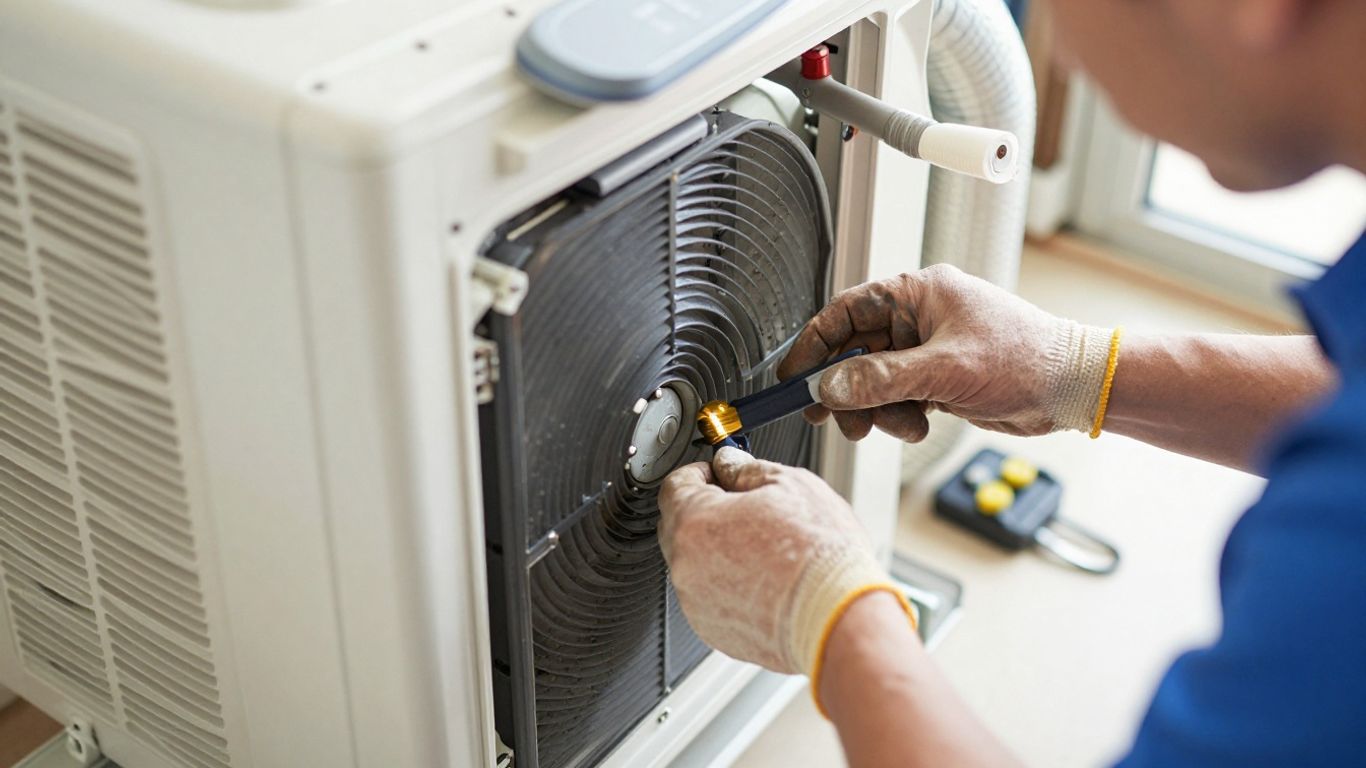
The evaporator coil is like the heart of your Tempstar AC’s cooling process. It’s where the magic happens, absorbing heat and moisture from your home’s air. But, if this coil gets coated in dust, dirt, and other gunk, its ability to do its job takes a serious hit. Think of it like trying to breathe through a thick blanket – not very effective, right? When the evaporator coil is dirty, it can’t absorb heat properly, leading to warmer air blowing through your vents, or worse, no cool air at all. This also puts extra strain on your system, potentially leading to other issues down the line.
Frozen Evaporator Coils
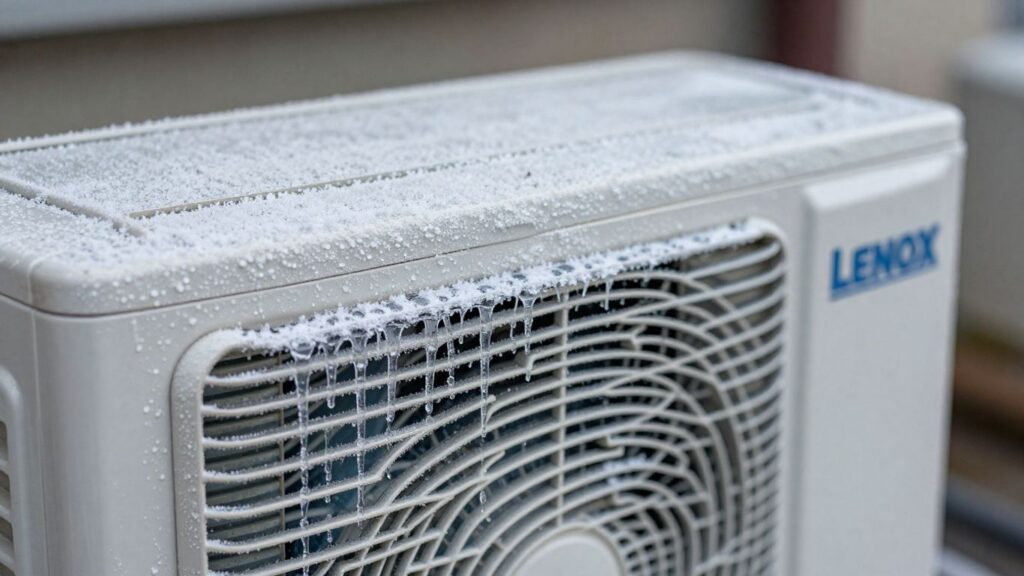
When evaporator coils get really dirty, or if there’s not enough airflow passing over them, they can actually freeze up. You might not even realize it’s happening at first. The AC might run, but it’s just circulating room-temperature air, or it might shut off prematurely because it thinks it’s already cooled the house. A frozen coil is a clear sign that something is wrong, usually related to airflow or refrigerant levels. Ignoring a frozen coil can lead to significant damage and costly repairs.
Impact of Poor Airflow on Coils
Poor airflow is a major culprit when it comes to evaporator coil problems. If your air filter is clogged, your registers are closed, or your ductwork has blockages, less air can reach the evaporator coil. This lack of air means the coil can’t transfer heat effectively. It’s the primary reason coils get dirty in the first place, and it’s also what often leads to them freezing over. Keeping air moving freely is key to preventing these coil issues and ensuring your Tempstar AC keeps your home comfortable.
A dirty or frozen evaporator coil isn’t just about comfort; it’s a sign of underlying problems that need attention. Addressing these issues promptly can save you from bigger headaches and expenses later on.
Compressor and Electrical Issues
Sometimes, the heart of your Tempstar AC system, the compressor, can run into trouble. This component is pretty vital; it’s what pressurizes the refrigerant, allowing your AC to actually cool the air. If it’s not doing its job, you’re not going to get any cool air, plain and simple.
Compressor Failure or Lockout
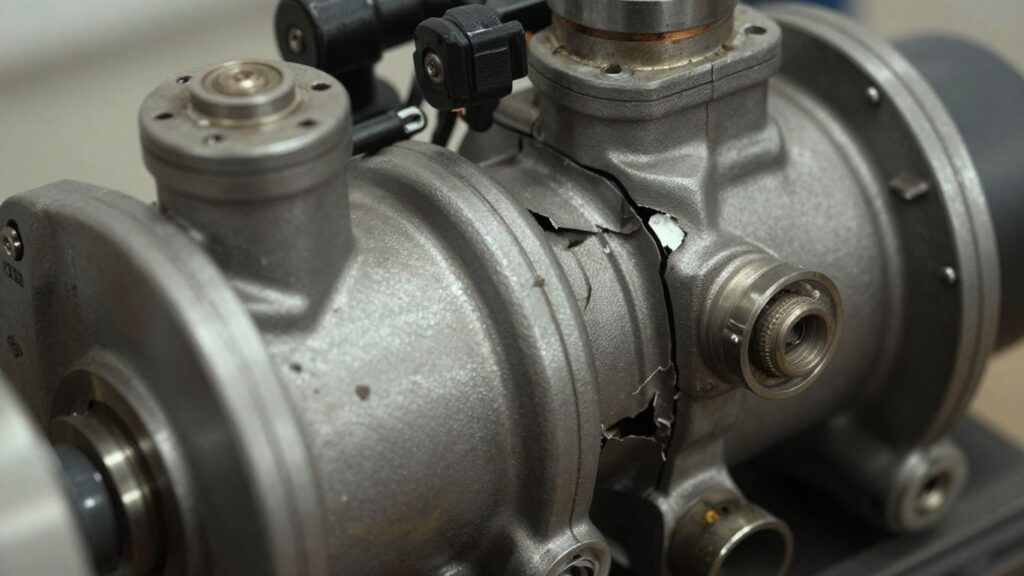
Compressors aren’t built to last forever, usually giving out somewhere between 10 to 15 years. When yours starts acting up, you might hear some weird noises – think grinding, banging, or even a persistent hum. Another sign is if your AC seems to be cooling less effectively or cycling on and off way too much. Deciding whether to repair or replace a compressor can be tough. If the repair costs are more than half the price of a new compressor, or if your whole system is getting pretty old, it often makes more sense to just get a new unit.
Tripped Circuit Breakers
Electrical problems are also a common culprit. A sudden power surge can sometimes trip your circuit breaker or blow a fuse, which will shut down your entire AC system. If your AC just suddenly stopped working, checking the breaker box is a good first step. If you find a tripped breaker, go ahead and reset it. But, if it trips again right away, that’s a red flag. It could mean there’s an electrical issue lurking in the system, like bad connections or a failing part.
Electrical Connection Problems
Beyond tripped breakers, there can be other electrical hiccups. Things like faulty wiring, loose connections, or failing capacitors can all prevent your Tempstar AC from running correctly. These issues can be a bit trickier to pinpoint and often require a professional to diagnose safely. It’s not usually something you want to mess with yourself unless you’re really comfortable working with electrical systems.
When troubleshooting your AC, remember that electrical components and refrigerant lines can be dangerous. If you’re not sure about something, or if the problem involves these parts, it’s always best to call a qualified HVAC technician. They have the right tools and knowledge to fix things safely and correctly.
Refrigerant Leaks and Low Charge
Refrigerant is the lifeblood of your Tempstar AC. It’s the special fluid that actually absorbs heat from your home’s air and moves it outside. If this stuff leaks out, your AC just can’t do its job properly. Think of it like trying to run a marathon with no water – you’re not going to get very far.
Identifying Refrigerant Leaks
Spotting a refrigerant leak isn’t always obvious, but there are clues. A hissing sound coming from your AC unit or near the outdoor lines is a big red flag. You might also notice that your AC is taking way longer than usual to cool your house, or it’s just not getting as cold as it used to. Sometimes, you can even see oily residue around the refrigerant lines, which can indicate a leak.
Consequences of Low Refrigerant
When your AC is low on refrigerant, it has to work much harder to try and cool your home. This means it’ll run for longer periods, which isn’t good for the system’s components. Over time, this extra strain can lead to more serious problems, like damaging the compressor. Plus, running longer means your electricity bill is going to go up, which nobody wants.
Here’s a quick look at what happens:
- Reduced Cooling Power: The AC struggles to remove heat effectively.
- Increased Energy Consumption: The unit runs longer, using more electricity.
- Component Strain: Parts like the compressor are put under extra stress.
- Potential for Freezing: Low refrigerant can cause the evaporator coil to freeze up.
Hissing Sounds Near Refrigerant Lines
That hissing noise? It’s often the sound of refrigerant escaping through a small opening. It’s like hearing a slow leak from a tire. If you hear this, it’s a pretty good sign that you’ve got a leak somewhere in the system’s sealed lines. Because refrigerant is a chemical that shouldn’t be handled by just anyone, it’s best to call in a professional to find the exact spot of the leak, fix it, and then add the correct amount of refrigerant back into the system. They have special tools to detect these leaks safely and effectively.
Dealing with refrigerant leaks requires specialized knowledge and equipment. It’s not a DIY job. Trying to fix it yourself could be dangerous and might even cause more damage to your Tempstar AC unit, leading to more expensive repairs down the line. Always err on the side of caution and call a qualified technician.
Blower Motor and Fan Malfunctions
Weak or Failing Blower Motor
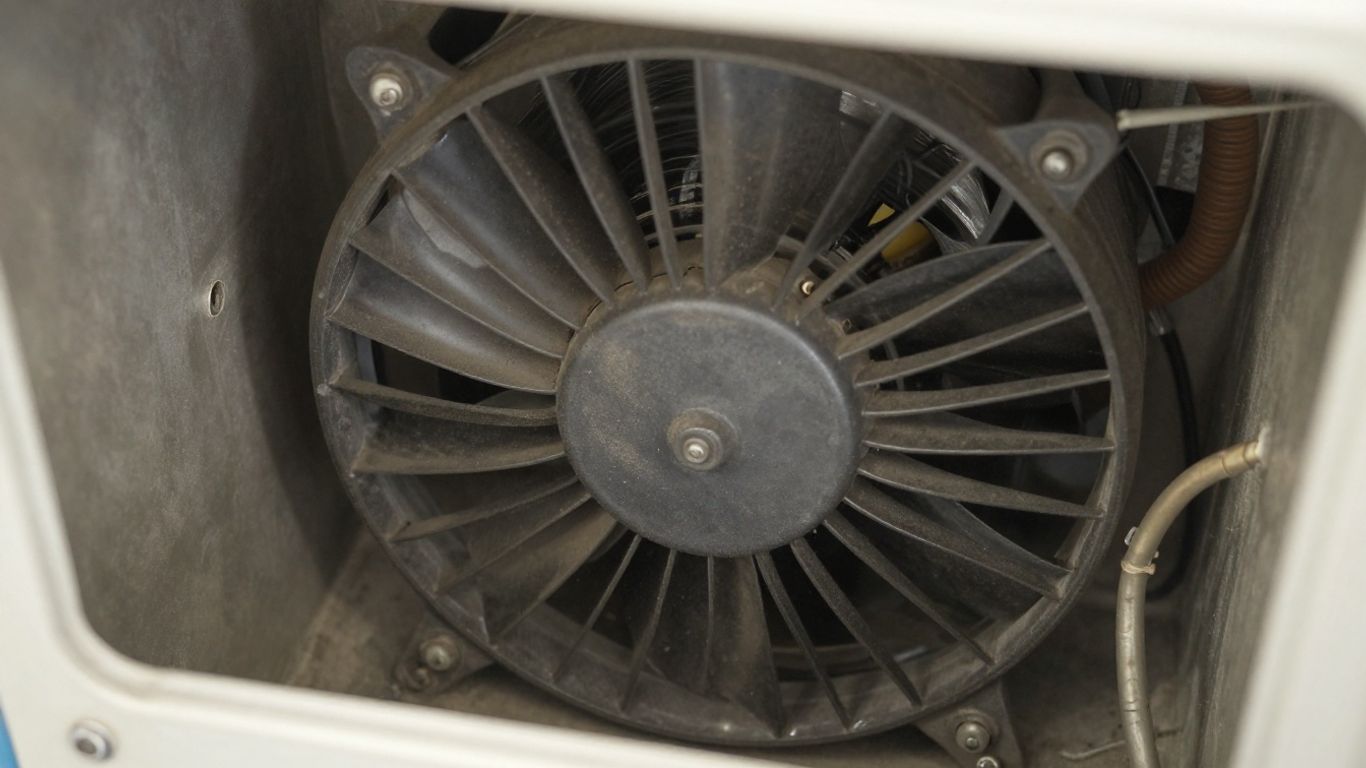
Sometimes, the problem isn’t with the cooling itself, but with how the cool air gets around your house. The blower motor is basically the lungs of your AC system, pushing the air through the vents. If this motor is weak or starting to fail, air won’t move like it should. This can lead to poor cooling, and you might notice some rooms are warmer than others. It can also cause other parts of your system, like the evaporator coils, to freeze up because not enough warm air is passing over them to keep them from getting too cold. A struggling blower motor puts a lot of extra strain on your entire AC unit.
Fan Not Moving Air Effectively
Even if the blower motor is technically running, it might not be moving air effectively. This could be due to a few things. Maybe the fan blades themselves are dirty or damaged, preventing them from catching and pushing air properly. Or, perhaps there’s an issue with the motor’s speed control, causing it to run too slowly. You might hear the motor running, but the airflow from your vents is weak or nonexistent. This directly impacts how well your AC can cool your home, as the cool air just isn’t getting where it needs to go.
Impact on Overall Cooling
When the blower motor or fan isn’t doing its job, the whole cooling process suffers. Think of it like trying to breathe through a straw – it’s hard work, and you don’t get much air. The AC unit might be making cold air, but if it can’t circulate it, your home won’t feel cool. This can lead to:
- Uneven Temperatures: Some rooms get cool, while others stay warm and stuffy.
- Frozen Evaporator Coils: Without enough warm air passing over them, the coils can get too cold and freeze up, stopping cooling altogether.
- Increased Humidity: Stagnant air doesn’t allow the AC to dehumidify effectively, leaving your home feeling damp and sticky.
- System Overload: The AC unit has to work much harder than it should, which can lead to premature wear and tear on other components, potentially causing more expensive repairs down the line.
Checking your air filter regularly is a simple step that can help prevent airflow issues. A clogged filter makes the blower motor work harder, potentially shortening its lifespan. If you’ve replaced the filter and still have weak airflow, it’s likely time to have a professional take a look at the motor and fan assembly.
Addressing Inconsistent Temperatures and Humidity
Ever walk from one room to another and feel a noticeable temperature shift? Or maybe your house feels cool, but that sticky, damp feeling just won’t go away, even with the AC running? These aren’t just minor annoyances; they’re signals that your Tempstar AC might not be performing as it should when it comes to keeping your home’s climate just right.
Room-to-Room Temperature Differences
When your AC struggles to keep temperatures even across different areas of your house, it often points to issues with how the cool air is getting where it needs to go. Think of your ductwork as the veins of your cooling system. If they’re leaky, blocked, or not properly sized for certain zones, you’ll end up with hot spots and cold spots.
- Leaky Ducts: Gaps or holes in your ductwork can let conditioned air escape into attics or crawl spaces before it even reaches your rooms. This means your system has to work harder and longer to try and cool the intended areas.
- Blocked Vents: Furniture, rugs, or even closed-off doors can obstruct airflow from the vents. Make sure all your supply and return vents are clear and open.
- Ductwork Design: Sometimes, the original design of the duct system just isn’t efficient for your home’s layout, leading to some rooms getting less cool air than others.
High Humidity Despite AC Operation
It’s a common misconception that an AC’s only job is to cool. A big part of its function is also to dehumidify your home. If the air feels clammy, it means your system isn’t removing enough moisture. This often happens when the AC unit is too large for your home.
An oversized AC unit cools the air too quickly and then shuts off before it has had enough time to run a full cycle and effectively pull moisture out of the air. This leads to that uncomfortable, muggy feeling even when the thermostat says the temperature is low enough.
Oversized Unit and Short Cycling
When an AC unit is too big for the space it’s meant to cool, it tends to "short cycle." This means it turns on, cools the air very rapidly, reaches the set temperature, and then shuts off. It repeats this process frequently throughout the day. While it might seem like it’s working hard, this short cycling is actually inefficient and prevents proper dehumidification. It also puts extra wear and tear on the system’s components, potentially leading to premature breakdowns. Checking the unit’s size against your home’s square footage and cooling needs is a good first step if you’re experiencing these humidity issues.
Conclusion
So, if your Tempstar AC isn’t cooling like it should, don’t panic. Most of the time, it’s something simple—maybe a dirty filter, a thermostat that’s off, or a tripped breaker. Sometimes, though, it’s a bigger deal, like low refrigerant or a compressor problem. Either way, catching these issues early can save you a lot of hassle and money. Tempstar units are known for being reliable, but even the best systems need a little help now and then. If you’ve tried the basics and your house still feels like a sauna, it’s probably time to call in a pro who knows Tempstar systems. They’ll get you back to cool and comfortable in no time. Regular maintenance goes a long way, too—so don’t forget to change those filters and keep an eye (and ear) out for anything unusual. Stay cool!
Frequently Asked Questions
Why is my Tempstar AC blowing warm air instead of cool air?
When your Tempstar AC blows warm air, it’s usually a sign that something isn’t working right. This could be because the thermostat is set incorrectly, the air filter is super dirty and blocking airflow, or maybe the cooling system itself has a problem like low refrigerant or a faulty part. Sometimes, even the outside unit’s fan might not be spinning properly. It’s a puzzle with a few possible pieces!
What should I do if my Tempstar AC isn’t cooling my house evenly?
If some rooms are hot while others are cold, it might be an issue with how the air is getting around your house. Check if any vents are blocked or closed. It could also be a problem with the ductwork, or maybe the AC unit itself is too big or too small for your home, causing it to turn on and off too much. We can help figure out if it’s an airflow problem or something else.
Can a dirty air filter really stop my Tempstar AC from cooling?
Absolutely! Think of the air filter like the lungs of your AC. If it gets clogged with dust and dirt, it’s hard for air to pass through. This makes the whole system work harder, can cause parts like the cooling coils to freeze up, and stops the AC from cooling your home effectively. Changing your filter regularly is a super simple but important fix!
My Tempstar AC is making strange noises. What could that be?
Odd noises like rattling, humming, or grinding from your Tempstar AC are definitely signals to pay attention to. These sounds can mean there are loose parts, a fan motor that’s wearing out, or even issues with the compressor. It’s best to get it checked out quickly because ignoring strange sounds can lead to bigger, more expensive problems later on.
What are the most common electrical issues that stop a Tempstar AC from working?
Electrical problems are common culprits. Sometimes, the circuit breaker that powers the AC might have tripped, cutting off power. Other times, there could be loose wires, a failing capacitor (which helps start the AC motor), or even a problem with the thermostat not communicating correctly with the unit. We check these electrical connections to make sure everything is getting the power it needs.
How can I tell if my Tempstar AC has a refrigerant leak?
A refrigerant leak is a serious issue because refrigerant is what actually cools the air. You might hear a hissing sound coming from the outdoor unit or near the pipes. You might also notice icy buildup on the cooling coils inside your home, or the AC just isn’t cooling as well as it used to. If you suspect a leak, it’s important to call a professional right away, as refrigerant needs special handling.